
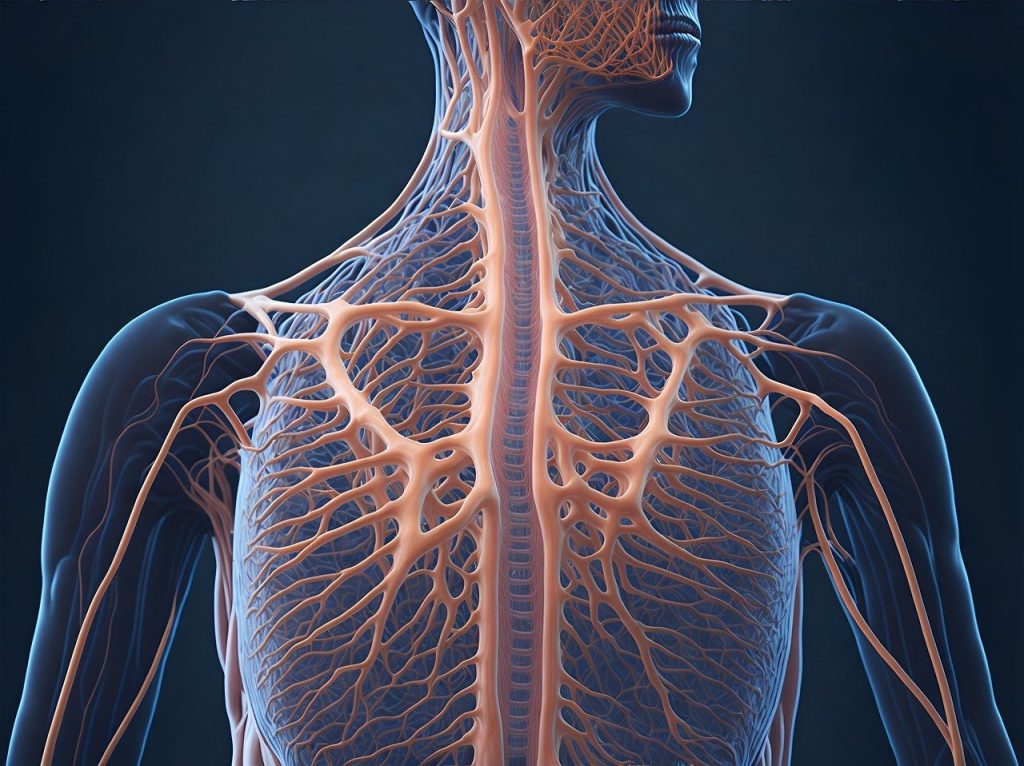
Knowing your Sympathetic and Parasympathetic Nervous System
Have you ever wondered how your body seems to “know” how to react to things? When you’re in times of stress and it’s on high alert, but then when you’re on vacation everything is calm and mellow?
It’s all due to the two parts of your nervous system. Normally we talk about the system as a whole – just the nervous system. But really it has several components, including the sympathetic system and the parasympathetic system.
Your chiropractor in Billings is going to briefly touch on these two systems so we can understand what they do, and how to regulate between the two of them.
The Nervous System as a Whole
Your nervous system is basically what controls the body. Your brain sends and receives signals through the spinal cord and into all nerves within the body. Your central nervous system splits into the somatic system and the autonomic system.
Your somatic nervous system controls voluntary muscle movements – even flinching and reflexes.
The autonomic system controls the involuntary parts of the body: heart rate, digestion, breathing, etc. But it’s broken into two parts as well. Here is where we find the sympathetic and parasympathetic nervous systems.
What Does the Sympathetic Nervous System Do?
This side of the autonomic system has a lot to do with your response to stress. It can be called the “flight or flight” part of your involuntary movements.
When you’re in a stressful situation, your heart rate increases, blood pressure goes up, you feel tension, and you might even have trouble with digestion. In other words, your body is involuntarily working overtime. It’s pumping as much blood to the brain as possible so you can take care of the stressful situation and return to a more relaxed state.
What Does the Parasympathetic Nervous System Do?
This side of the autonomic system can be said to be the opposite of the “fight or flight.” It’s sometimes referred to as the “rest and digest” part of your involuntary movements.
When you’re outside of stressful times, your body can slow down. Your brain doesn’t need to be on high alert, so your body sends more energy to digesting food, healing and recovering, and overall storing up energy that can ensure the body lasts a long time and can operate optimally.
How a Chiropractor Helps Restore Balance Between the Two
You need to have balance between the two systems, so your body can operate the way it’s supposed to.
Many of us know all-too-well what happens when we’re chronically stressed. Our bodies begin to break down, our mental clarity crumbles, and we often become physically ill. When operating on the sympathetic level for too long, it’s not good!
But that’s not to say dwelling in the parasympathetic is better. This might be the classic stoner vibe. Just way too laid back, can’t get excited about anything, no ambition and no drive. We want that stress to push us to do better, get out of danger, and make our lives better, but we need to be able to balance and recover when times are less troubling.
A Billings chiropractor helps the body operate optimally, so it can readily switch between the two. Adjustments reduce interference with nerve signaling, so when the stress is gone, the brain can quickly tell the rest of the body to relax.
Of course, we can help things along too. Know the feelings of when you’re getting stressed, and then look at the “dangers” around you. Are they real, or have you made them up? If you find yourself becoming anxious or stressed too often, practice deep breathing, meditation, yoga, or get some physical exercise to help eliminate or manage that stress.
Dr. Shayne Durbin Offers Adjustments
Nearly everyone needs to ensure their bodies are operating optimally. The truth is, most people are walking around with joints that are out of whack, and it’s causing pain, stress, inflammation, and overall, a lower quality of life.
Let’s get your quality of life back, so you can manage your nervous systems the best way. Call our office at 406-545-2128 and we’ll get you scheduled. Or, you can hop onto our contact form, and request a time that works for you.




2 Responses